
 understanding before deciding
Solar education for UK homeowners
Know your solar
before you sign
anything.
Photovoltaic systems are genuinely interesting technology. They're also a significant financial decision. Bilohi exists to close the gap between sales pitch and real understanding.
Most homeowners make solar decisions with half the picture. We think that's worth fixing.
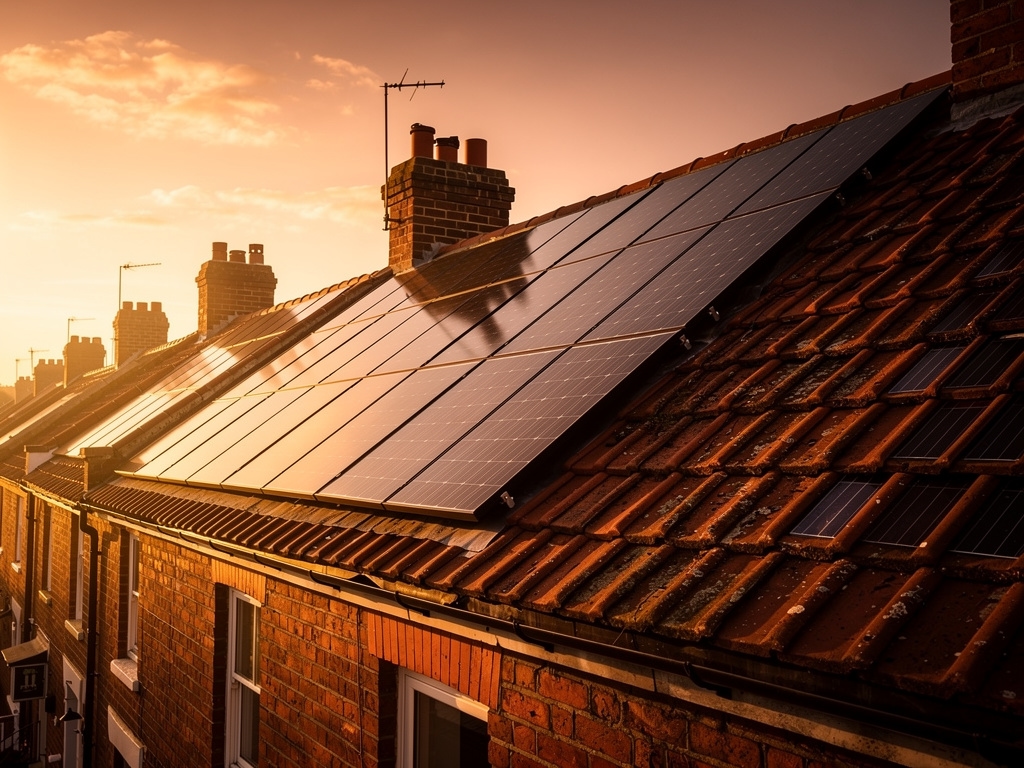
What solar actually looks like
From rooftop to inverter to meter — the full picture, no glossing over.
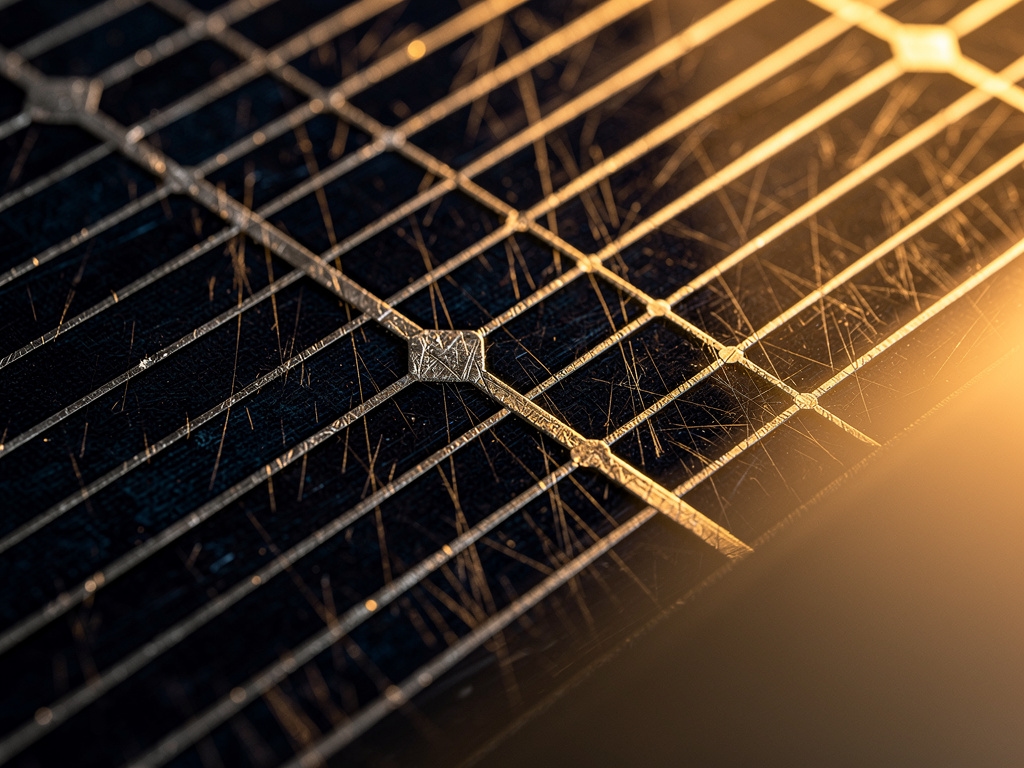 PV cell structure
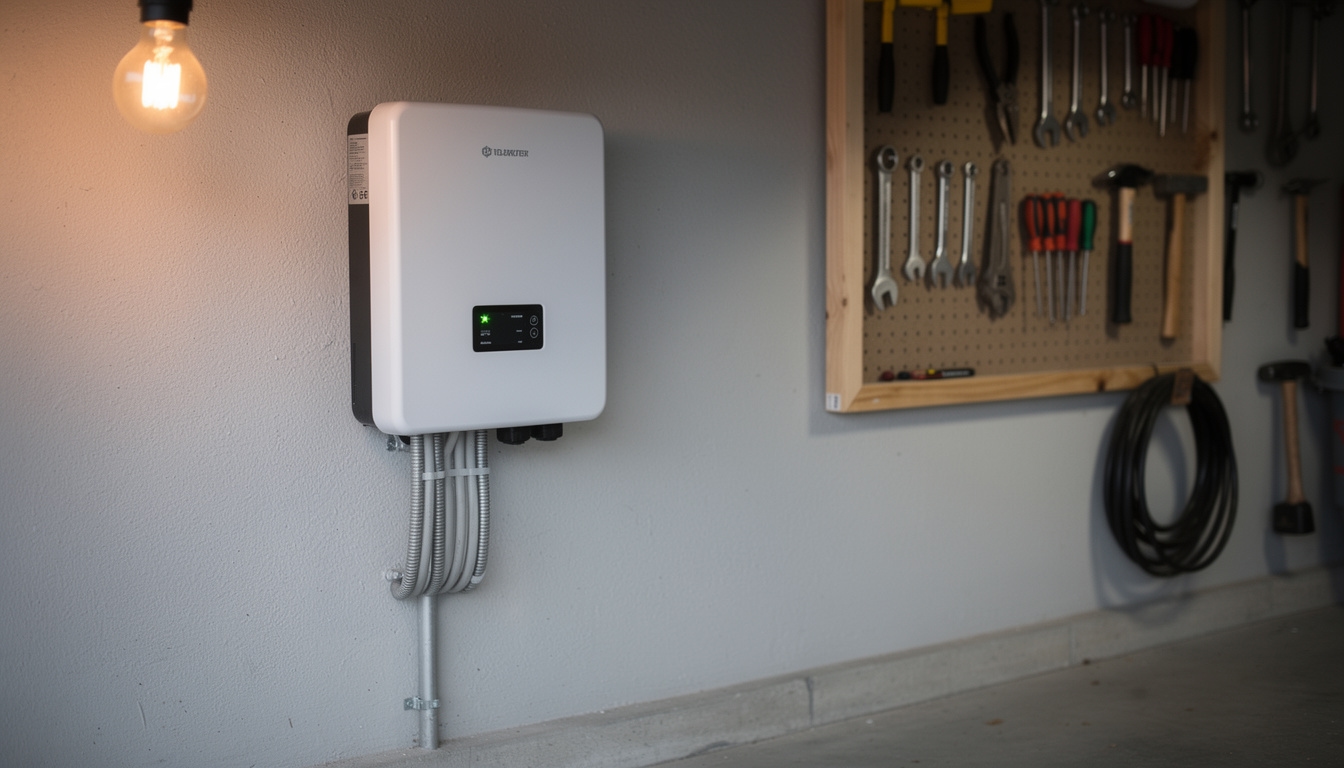 inverter unit
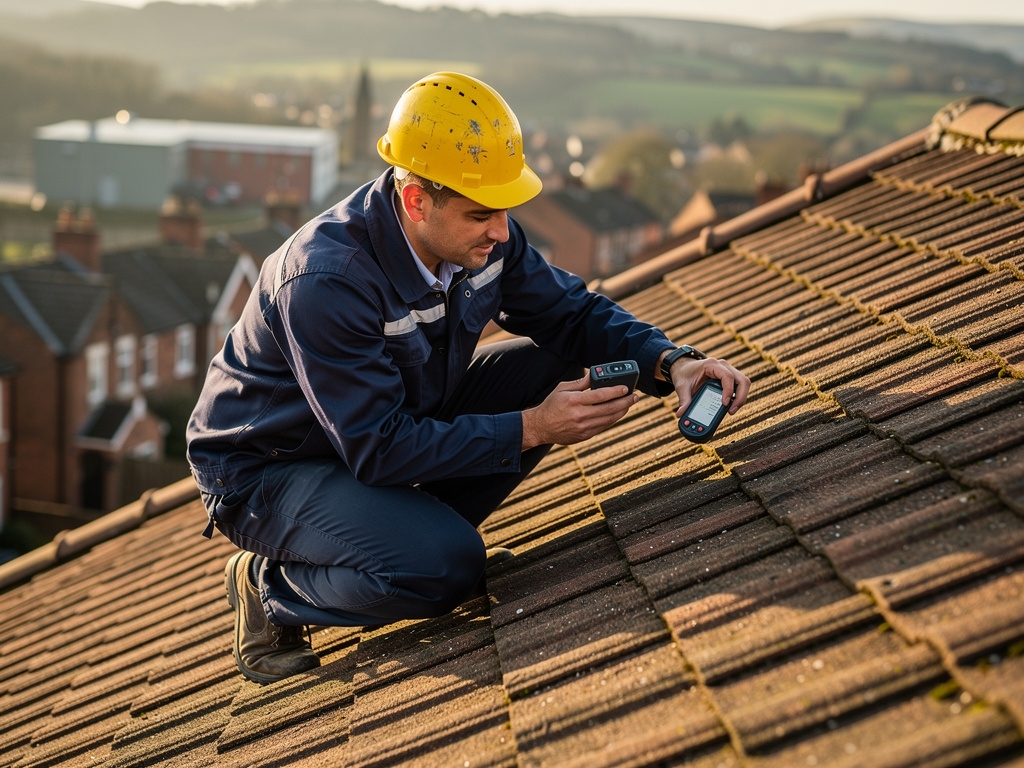 roof survey day
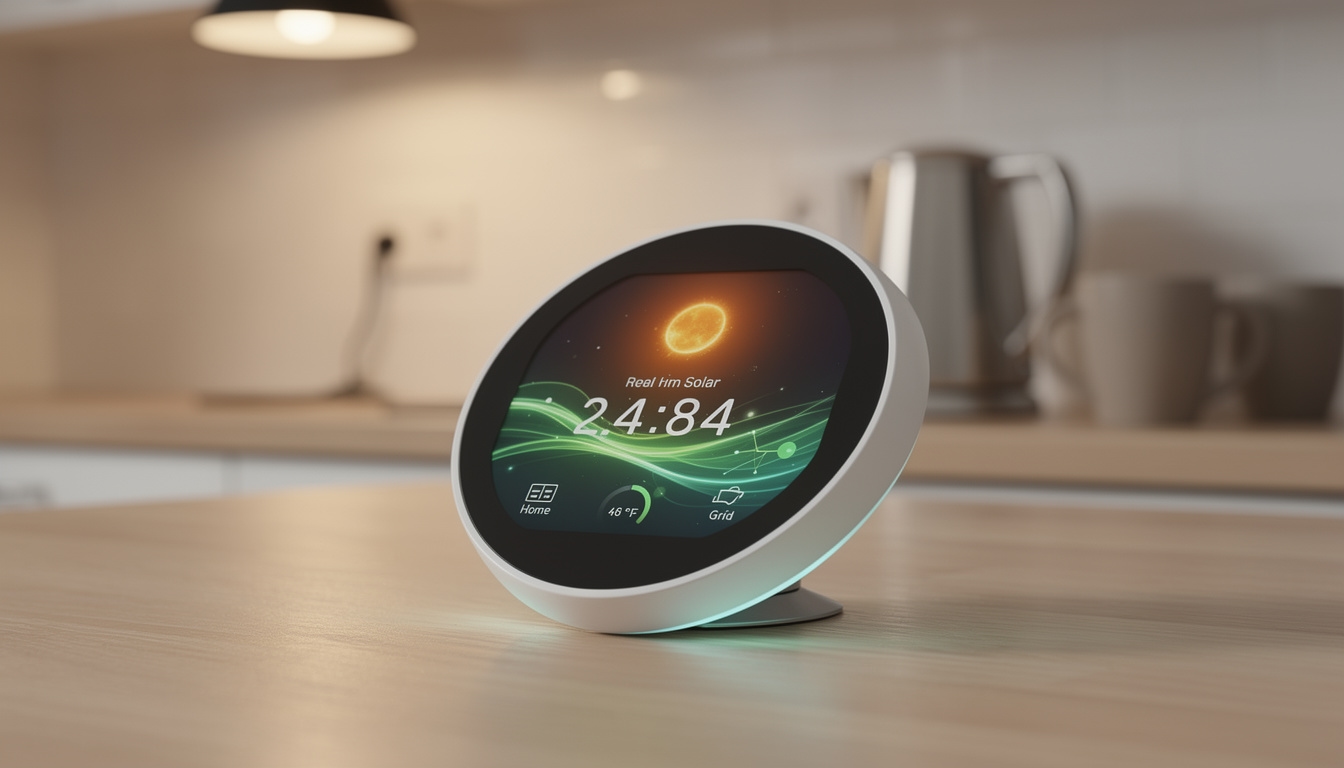 real-time generation
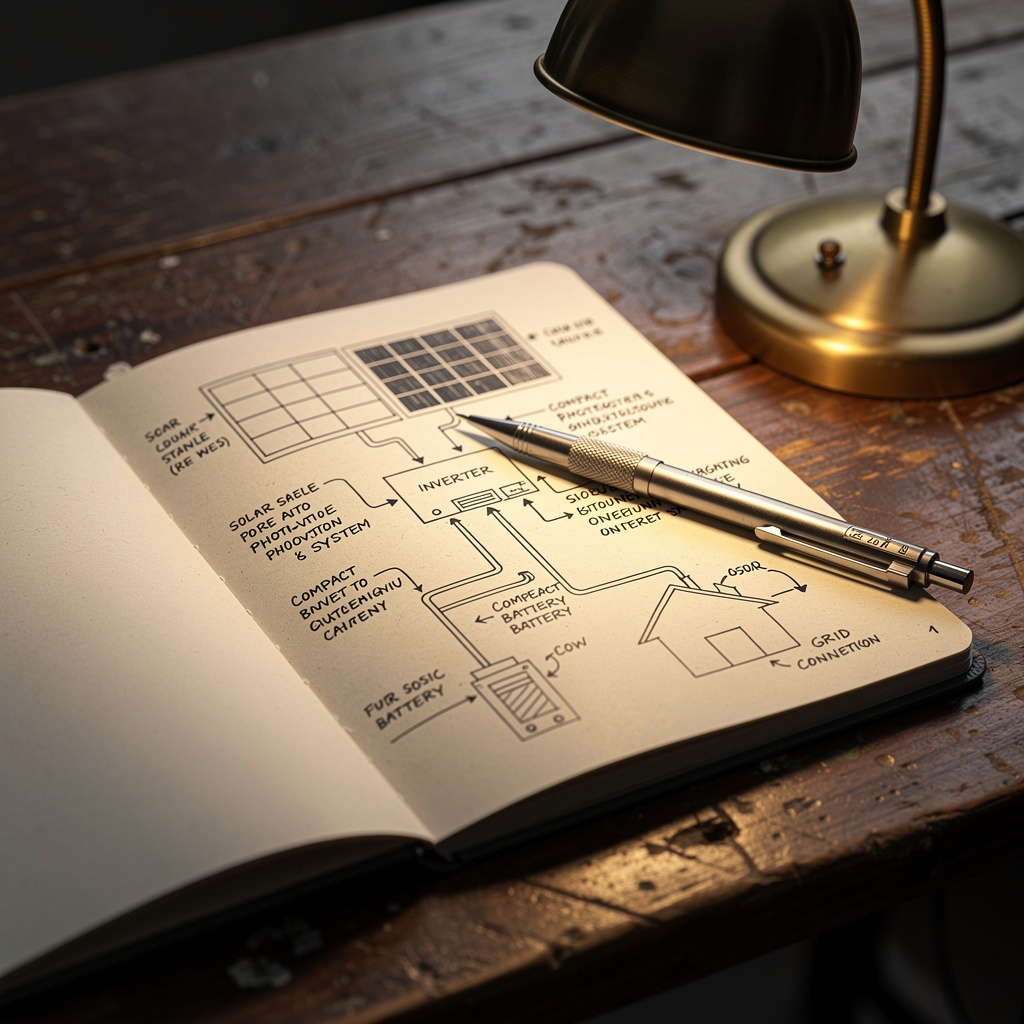 how it all connects
Light becomes electricity. Here's how.
Silicon cells in a solar panel absorb photons from sunlight. That energy knocks electrons loose, creating a flow of direct current (DC). It's the photoelectric effect — the same physics Einstein explained in 1905. Each cell produces a small voltage. Wire enough of them together in a panel, wire enough panels together in an array, and you have something useful.
The DC electricity then travels to an inverter, which converts it into the alternating current (AC) your home actually runs on. That's the basic loop. Everything else — battery storage, smart monitoring, grid export — builds on top of it.
What actually affects how much power you get
Panel orientation matters enormously. South-facing roofs in the UK capture the most solar radiation across the year. East or west can still work — just expect roughly a quarter less output. Tilt angle also plays a role; somewhere between 30 and 40 degrees tends to be the sweet spot for UK latitudes.
Shading is the hidden killer. A shadow from a chimney stack or a nearby tree falling on even one panel can drag down the whole string's output. Modern microinverters and power optimisers address this, but it's worth understanding before you commit to a layout.
The questions worth asking an installer
What MCS certification do they hold? What warranty covers the panels versus the inverter? How is performance degradation factored into their projections? Will the system be compatible with battery storage if you add it later?
These aren't trick questions — any competent installer will answer them clearly. If an installer can't or won't engage with them, that tells you something important before any money changes hands.
What Bilohi covers
Education structured around the decisions you'll actually face.
How PV systems work
From photon to plug socket — a clear explanation of the technology without skipping the parts that matter.
Performance factors
Orientation, shading, temperature, panel degradation — the variables that determine what a system actually delivers.
Battery storage explained
What storage adds to a system, how lithium-ion home batteries work, and when it makes sense to include one.
Installer questions guide
A structured set of questions covering certification, warranties, shading analysis, and system design assumptions.
Grid connection basics
How your system connects to the national grid, what the Smart Export Guarantee means, and how metering works.
Reading installer quotes
Understanding the numbers installers present — what's a reasonable assumption and what deserves a follow-up question.
Got a specific question?
Send it through. We read everything and do our best to point you toward useful information — no sales, no follow-up calls.
Find us in Sheffield
We're based in South Yorkshire. Drop us a line or visit if you'd like to talk solar in person.
- 101 Whitehouse Ln, Sheffield S6 2UY
- +44 114 234 5067
- [email protected]